
Market Update · Gregory Hammer · March 22, 2026
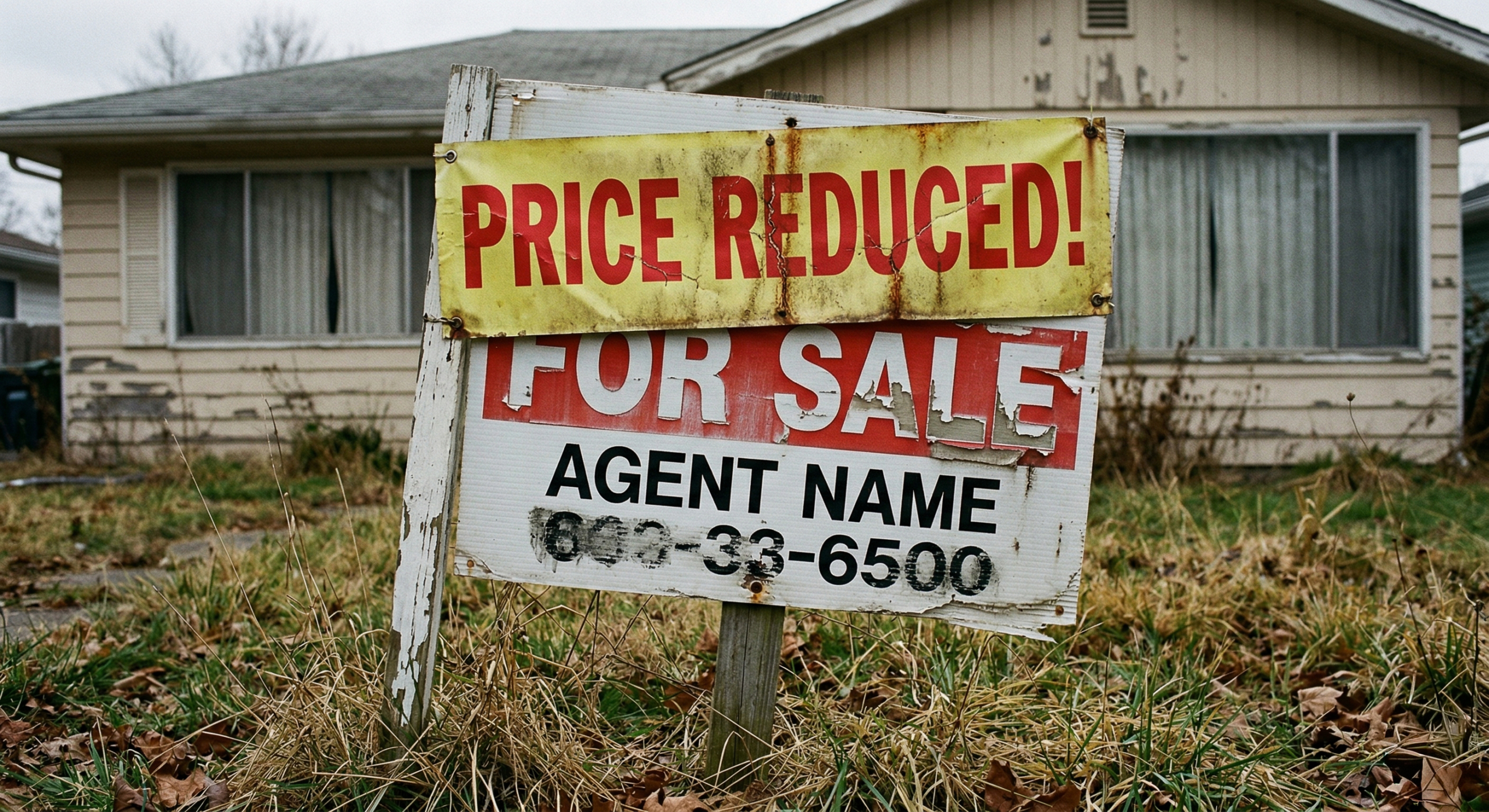
If your home has been on the market for more than 30 days, you have a pricing problem — not a marketing problem.
That’s not opinion. That’s what 1,991 pending single family sales from March 2026 are telling us, loud and clear.
I pulled every pending single family listing in the Minneapolis–Saint Paul metro as of March 22, 2026 and broke down the days on market. The pattern is unmistakable: the Twin Cities housing market rewards correctly priced homes immediately — and punishes overpriced ones with a slow death of price reductions, stale listing syndrome, and worse offers.
Here’s what the data says.
The 30-Day Window Is Everything
Out of 1,991 homes that went pending this month, roughly 1,500 accepted an offer within 30 days of hitting the market. The median days on market across the entire dataset was just 14 days. The average was 31 — pulled up by the long tail of overpriced properties that sat for months before finally getting a deal done.
And here’s the part sellers miss: “pending” means the offer was already accepted, inspections are underway, and the financing contingency clock is ticking. The actual time from listing to accepted offer was probably 7 to 10 days shorter than the DOM number shows. Most of those 1,500 homes likely had a signed purchase agreement within their first two to three weeks on the market.
That’s not a trend. That’s the market telling you what it wants.
After 30 Days, Hope Is Not a Strategy
If your home is sitting past the 30-day mark, the odds shift hard against you. The data shows properties in the 50–100+ DOM range almost always have one thing in common: price reductions from the original list price to the current list price.
Original price of $525,000, now listed at $500,000. Original at $739,900, now asking $709,900. Original at $699,900, reduced to $649,000. Over and over.
These sellers didn’t save money by starting high. They lost money. They chased the market down, and every reduction signaled weakness to the buyers still watching. Properties with 100+ cumulative days on market are scattered throughout this dataset — many with multiple price drops and still struggling to close.
Meanwhile, the homes that priced right from day one went pending in under two weeks.
Buyers Have Changed How They Search
Here’s what most sellers don’t realize about today’s buyer behavior: buyers are filtering their searches by “New” and “Coming Soon” listings. That’s it.
They’re not scrolling through page after page of stale inventory hoping to find a deal. They’re looking at what just hit the market. If your home has been sitting for 40, 60, 90 days, it’s functionally invisible to the most motivated buyers in the market.
Every week your home sits unsold, you lose access to the largest pool of active, qualified buyers. The ones who remain are bargain hunters — and they’re going to make you a worse offer than you would have gotten in week one at the right price.
Testing the Market Costs You Money
The most expensive mistake a seller can make right now is “testing the market” with an aspirational price. The logic sounds reasonable: “Let’s list high and see what happens. We can always reduce.”
What actually happens:
Week 1–2: The home gets maximum exposure. Buyers see it, compare it to the competition, and pass because the price doesn’t match the value.
Week 3–4: Showing activity drops. The listing falls off the “new” filter. Agents stop recommending it.
Week 5+: The seller reduces the price. But now the listing has a “days on market” count that tells every buyer and agent the same story: something is wrong with this house.
Week 8+: Another price reduction. The seller is now chasing the market. Offers that do come in are lower, with more contingencies and more aggressive inspection requests.
The end result? The home sells for less than it would have if it had been priced correctly from day one. And it takes months longer to get there.
What the Numbers Look Like in Practice
Here are some real patterns from this month’s data:
Homes that went pending in 0–7 days — overwhelmingly priced at or near market value. Original price equals list price in almost every case. No reductions. Clean offers.
Homes that went pending in 30–60 days — a mix of small price reductions and original pricing, but you can see the deals getting softer. More properties with original prices $10K–$50K above their current ask.
Homes that went pending at 90+ days — significant price reductions are the norm, not the exception. Homes originally listed at $575K selling at $535K. Homes that started at $740K now closing at $699K. The longer the sit, the bigger the haircut.
The market is efficient. Buyers know what a home is worth. Pricing above that number doesn’t create upside — it creates downside.
If Your Home Isn’t Selling, There’s Only One Lever Left: Price
Let me be direct with you. If your Twin Cities home has been on the market for more than 30 days and you haven’t received an acceptable offer, the only thing that changes your outcome now is the price.
Not a new marketing plan. Not updated photos. Not a different social media strategy. The price.
Your marketing plan already ran. It brought buyers through the door — or at least to your listing online. They saw it. They compared it to the other options available to them. And they chose something else. That’s not a marketing failure. That’s the market telling you the price doesn’t match the value.
Updating your listing photos at day 45 doesn’t matter if buyers aren’t even seeing your home anymore. Remember — buyers are searching “New” and “Coming Soon.” Your listing dropped off that radar weeks ago. You’re not competing for attention. You’re invisible.
The Two Paths Forward
At this point you have two honest options:
Option 1: Adjust the price — meaningfully, not incrementally. Not $5K. Not $10K. Price to where the market actually is, based on what went pending in the last 30 days around you. One strategic move to the right number can reset buyer interest and get you back into the conversation.
Option 2: If the condition is the problem, take it off the market. Pull the listing. Make the updates. Fix what needs fixing. Then come back fresh with a new listing date, zero days on market, and a price that reflects the improved condition. A fresh start changes the entire trajectory. You show up in the “New” search filter again. You get the first-week surge of buyer attention again. You get a real shot.
What you cannot do is sit at 60, 75, 90 days and hope something changes. Hope is not a strategy. Every day you wait, the listing gets staler, the offers get weaker, and the eventual sale price drops further below where you could have been.
Don’t let it take 90 days to change paths. If you’re at 30 days with no traction, that’s your signal. Make the decision now — adjust the price or reset the listing. Either way, act. The sellers who moved in under two weeks this month didn’t get lucky. They got honest about what the market was willing to pay.
The Bottom Line
The Twin Cities spring market is active. Homes are moving. But they’re moving fast and they’re moving at the right price. Nearly 1,500 of the roughly 2,000 pending sales this month went under contract in 30 days or less — most within two weeks.
If you’re on the other side of that equation, sitting at 45, 60, 90+ days, the market has already given you its answer. The question is whether you’re willing to hear it — and how quickly you’re willing to act.
Data source: Regional MLS of Minnesota, Inc. Market Analysis Summary — Single Family Pending Listings as of 3/22/2026. Information deemed reliable but not guaranteed.
Need a No-BS Pricing Assessment?
I work with sellers across Plymouth, Minnetonka, Chanhassen, Chaska, Victoria, and the Western Suburbs of Minneapolis. Let’s look at the data for your specific neighborhood and get you a strategy that actually works.
If you’re ready to get an honest assessment of your home’s value and a real plan, learn more about our selling strategy or explore recent Twin Cities market updates on our blog.
Or call (612) 819-4400
