

What Does Minnesota’s New Construction Warranty Actually Cover?
Minnesota’s Chapter 327A gives every new-home buyer a non-waivable warranty: one year against faulty workmanship and materials, two years on plumbing, electrical, and HVAC systems, and ten years against major structural defects. If a problem shows up, the law requires one specific step before anything else — written notice to the builder within six months of discovering it. Miss that letter, and you can lose your Minnesota new construction warranty claim even though the home is still well inside its statutory coverage window.
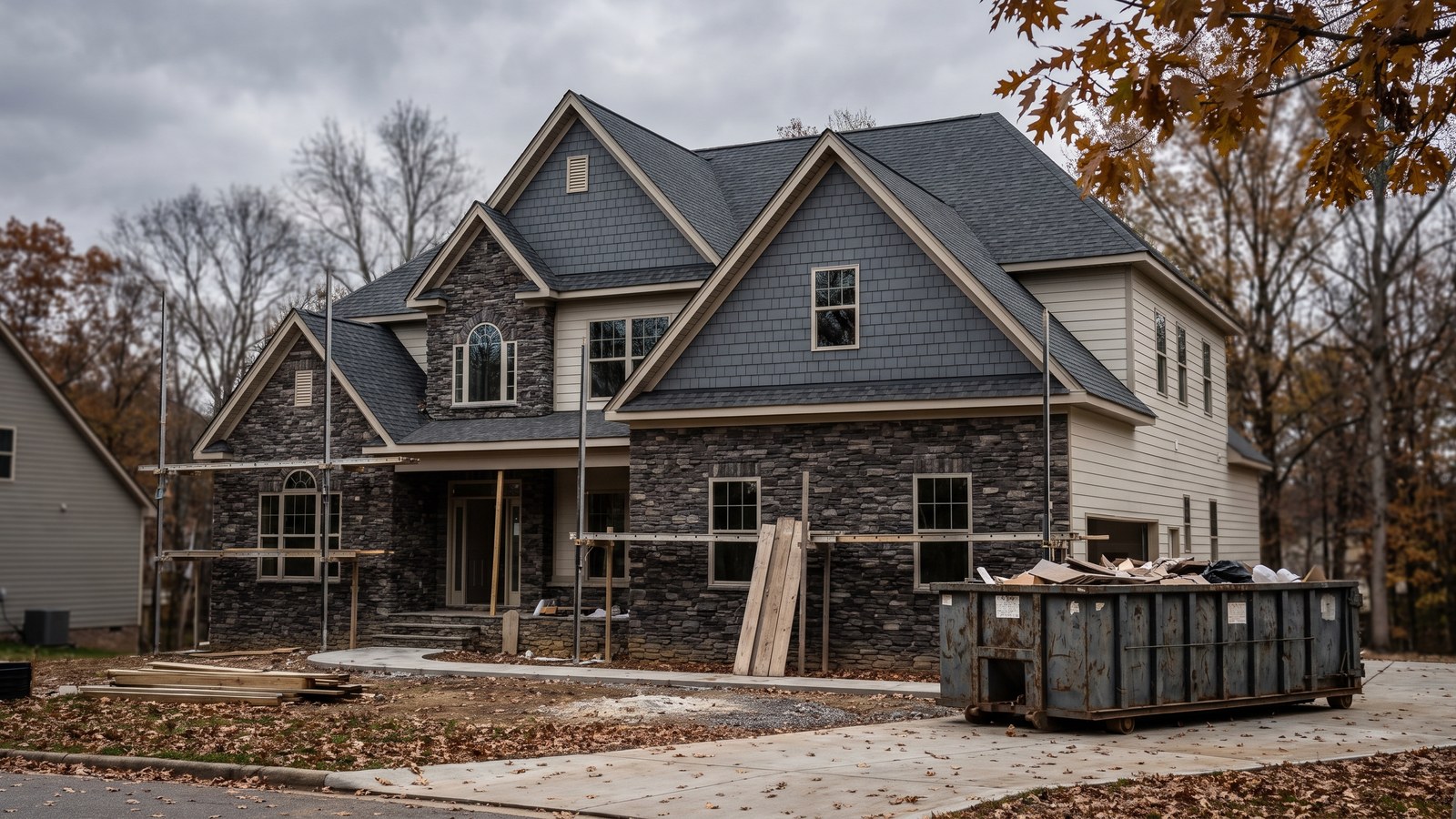
By Hammer Group | October 18, 2026
If you bought new construction in the west metro in the last decade — Wayzata, Minnetonka, Orono, Plymouth, or anywhere else builders have been busy — you have this warranty whether your builder mentioned it or not. Minnesota doesn’t let a builder waive it, bury it in fine print, or swap it out for something weaker. That’s the good news.
The harder news is that almost nobody reads the fine print on how to use it, and the deadline that matters most isn’t the ten-year number everyone remembers. It’s the six-month one nobody talks about.
What Your Minnesota New Construction Warranty Covers, Year by Year
The statute breaks coverage into three tiers:
- Year 1 — workmanship and materials. Faulty installation, defective materials, anything that doesn’t meet the building code the home was built under.
- Years 1–2 — mechanical systems. Plumbing, electrical, heating, and cooling. If a duct was never properly sealed or a circuit was wired wrong, this is the window that covers it.
- Years 1–10 — major structural defects. Damage to a load-bearing part of the home serious enough that it affects the structure’s ability to do its job — not drywall cracks from normal settling, not a nail pop, not a hairline shrinkage gap where two materials meet.
What’s not covered matters just as much. Appliances fall under their own manufacturer warranties, not 327A. Cosmetic issues that don’t affect function generally don’t qualify. And none of this applies to work you hired out yourself after closing — only to what the builder built.
It’s worth saying plainly: a builder cannot write any of this away. Some contracts try to shorten the windows or shift the burden back onto the buyer, but the statute makes the Minnesota new construction warranty non-waivable. If a builder’s paperwork claims otherwise, that clause doesn’t hold up — the statutory minimums still apply regardless of what the contract says.
This is the piece our guide to signing a builder’s contract only touches in passing — the warranty gets a single line as a nice-to-have, when it’s actually a legal right with real deadlines attached.
The 6-Month Letter Most Buyers Never Send
Here’s where most homeowners lose a claim they never knew was in jeopardy. The statute requires written notice to the builder within six months of discovering the defect — not six months from closing, six months from the day you noticed the problem.
Minnesota courts have been consistent on what counts: a phone call doesn’t satisfy it. A conversation at the kitchen table doesn’t satisfy it. Even sitting down and negotiating a settlement doesn’t satisfy it. You need an actual letter or email, dated, describing the defect, sent inside that window. Wait past six months, and the builder can argue your Minnesota new construction warranty claim is waived — full stop, regardless of how many years are left on the warranty.
Once you’ve sent notice, the process has a rhythm:
- The builder gets roughly 30 days to inspect.
- The builder then has about 15 days to offer a repair.
- If you’re not satisfied, Minnesota’s Department of Labor and Industry runs a non-binding Home Warranty Dispute Resolution process before either side heads to court.
- If that doesn’t resolve it, there’s generally a 60-day waiting period after your original notice before a lawsuit can move forward.
None of that process starts without the letter. It’s the single most important piece of paper in the entire 327A system, and it’s the one step most new homeowners skip because nobody tells them it exists until something breaks.
Buying a Near-New Resale? The Warranty Comes With the House
Here’s the part that catches move-up buyers off guard: a Minnesota new construction warranty runs with the home, not with the original buyer. If you’re closing on a resale that’s three, five, or eight years old, you may be stepping into whatever’s left of the 1-, 2-, or 10-year windows — you don’t have to be the one who signed the original builder contract to have coverage.
That’s a real value point, and almost nobody factors it into an offer. If you’re looking at a near-new home in a west-metro new-construction pocket, ask the seller for the original builder contract and the closing date on the build. Those two documents tell you exactly how much of the Minnesota new construction warranty is left and whether it’s worth asking about before you waive anything during your own purchase.
That window can be bigger than buyers expect. A home that closed four years ago is still inside its ten-year structural coverage and may even still be inside the two-year mechanical window if it was finished late in its build cycle. Sellers rarely bring this up on their own — not because they’re hiding anything, but because most of them never think about the warranty again once their own inspection period closes. It falls to the buyer, or the buyer’s agent, to ask.
It also changes the inspection math. Our post on whether to waive the home inspection flags a transferable warranty as one of the few situations where a buyer can reasonably take on a bit more risk — but only if you’ve actually confirmed the warranty is still active and transferred cleanly, not just assumed it. The same logic applies if you’re weighing a near-new home against an older one in our fixer-upper vs. move-in-ready comparison — a home still carrying structural coverage is a meaningfully different purchase than one that isn’t.
Every situation is different, and the only way to know exactly what’s left on a specific home’s warranty — and what that’s worth to you in an offer — is to run it against the actual closing date and builder documentation. That’s exactly the kind of detail we walk clients through before they write an offer on new construction or a near-new resale.
Frequently Asked Questions
Does the Minnesota new construction warranty cover appliances?
No. Appliances are covered by their own manufacturer warranties, not Chapter 327A. The statutory warranty covers workmanship and materials (year 1), mechanical systems like plumbing, electrical, and HVAC (year 2), and major structural defects (years 3 through 10) — not refrigerators, ranges, or washers and dryers the builder installed.
What counts as a major structural defect under the 10-year warranty?
Minnesota’s statute defines it as actual damage to a load-bearing portion of the home that affects its load-bearing function to the point the home becomes unsafe, unsanitary, or otherwise unlivable. Normal drywall cracks from settling, minor nail pops, or small cosmetic shrinkage gaps don’t qualify.
I bought a resale home that’s only 3 years old. Do I still have a warranty?
Possibly, yes. Minnesota’s statutory warranty runs with the home rather than the original buyer, so if a 3-year-old home is still inside its 1-, 2-, or 10-year windows, you likely inherit whatever coverage is left. Ask the seller for the original builder contract and closing date so you know exactly what’s remaining.
What if my builder denies the warranty claim?
You can request non-binding mediation through Minnesota’s Attorney General home-building consumer guide and the Department of Labor and Industry’s Home Warranty Dispute Resolution process. If that doesn’t resolve it, you generally need to wait 60 days after your written notice before filing a lawsuit, and many claims end up in small claims court or with an attorney who handles construction defects.
Does a phone call to my builder count as the required notice?
No. Minnesota courts have been clear that phone calls, in-person conversations, and even settlement negotiations do not satisfy the written notice requirement under Minnesota Statutes Chapter 327A. You need an actual letter or email documenting the defect, sent within six months of when you discovered it.
The Takeaway
Minnesota gives new-home buyers a strong, non-waivable warranty — but the law only protects you if you protect the deadline. Whether you’re closing on brand-new construction this year or eyeing a near-new resale that’s still carrying coverage from a build a few years back, knowing where you stand on your Minnesota new construction warranty is worth confirming before you sign anything, not after something breaks.
If you’re evaluating a new build or a near-new resale in the west metro and want help reading the builder paperwork or figuring out what warranty coverage is actually left on a home you’re considering, reach out for a free home valuation and consultation — it’s a quick conversation that can save you a six-month deadline you didn’t know you were racing.
About Hammer Group
Hammer Group is a Twin Cities real estate team with Compass, helping buyers and sellers navigate the Minneapolis–St. Paul market with a calm, data-driven approach. The team focuses on luxury and move-up homes across the western suburbs.