

Do Minnesota sellers have to disclose lead paint?
Yes. If your home was built before 1978, federal law requires a lead paint disclosure Minnesota sellers cannot skip, no matter how the rest of the contract is written. You must hand buyers an EPA pamphlet, disclose what you know about lead-based paint, and give them a 10-day window to test — and unlike most of what’s on Minnesota’s Seller’s Property Disclosure Statement, this one survives an as-is sale. You cannot waive it.
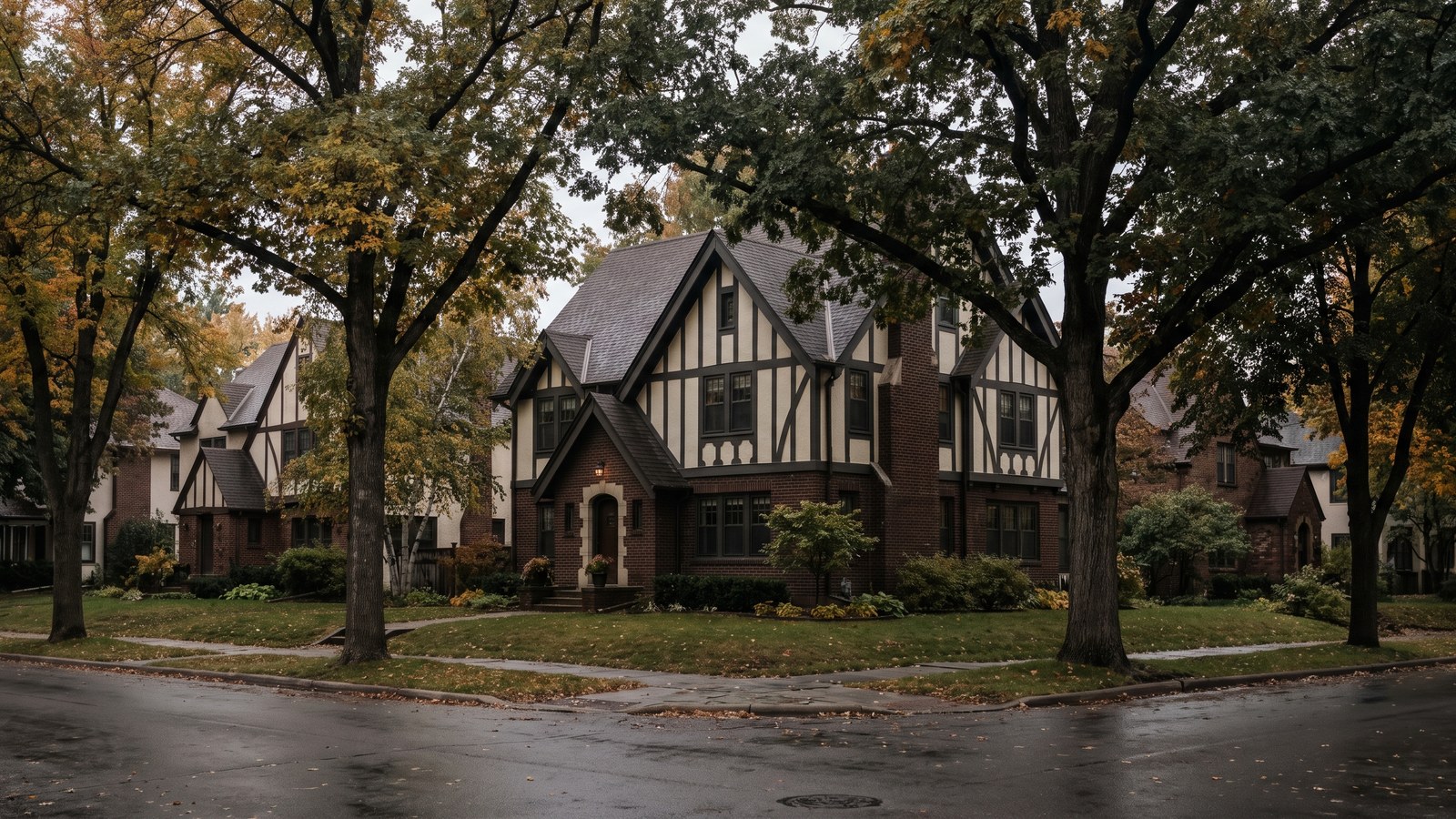
If you’re selling in Linden Hills, Kenwood, Lake of the Isles, Fulton, or almost anywhere in Edina’s older pockets, this isn’t a theoretical rule. It’s math: roughly 9 in 10 homes in Linden Hills were built before 1980, and well over half of Kenwood’s housing stock predates it too. If your house falls into that window, the lead paint disclosure applies to you, full stop — regardless of whether you’ve ever seen a flake of paint or opened a can of Benjamin Moore since the day you moved in.
Why this catches older-home sellers off guard
Most sellers already know about Minnesota’s Seller’s Property Disclosure Statement — the form covering structural issues, water intrusion, mechanical systems, and the rest. The lead paint disclosure Minnesota sellers must provide is a completely different document, created by federal law (42 U.S.C. § 4852d), not state law. It exists alongside your Minnesota disclosure, not instead of it.
The trigger is simple: any residential property built before 1978. That covers most of Minneapolis’s lake-adjacent neighborhoods and a meaningful share of Edina, Minnetonka, and Wayzata’s older streets — the century-old Tudors and Victorians, the mid-century ramblers from the building boom of the ’40s and ’50s, all of it. Newer teardown-rebuilds and post-1978 construction are exempt. Everything older isn’t.
What the lead paint disclosure Minnesota rules actually require
Before a buyer signs a purchase agreement on a pre-1978 home, you’re required to:
- Give the buyer the EPA pamphlet “Protect Your Family From Lead in Your Home”
- Disclose what you know — any lead-based paint or lead hazards you’re aware of, plus any reports or test records you have, even old ones
- Include a Lead Warning Statement in the purchase agreement itself
- Allow a 10-day inspection period so the buyer can test for lead hazards before they’re bound to the deal, unless both sides agree to a different window in writing
That last point matters more than sellers expect. A buyer doesn’t have to accept your word for it. They can bring in an inspector during that 10 days, and if lead turns up, they can use it to negotiate — a credit, a price adjustment, or in some cases, a walk-away.
The as-is trap: why you can’t waive this one
Minnesota lets sellers waive most of the Seller’s Property Disclosure Statement through a specific written alternative. Sellers hear “as-is” and assume it covers everything. It doesn’t. The lead paint disclosure is one of a small handful of duties that survives any as-is sale, any waiver form, any “the buyer is taking the house exactly as it sits” language in the purchase agreement. There’s no version of selling as-is in Minnesota that lets you skip handing over the pamphlet, the warning statement, and the 10-day window — the lead paint disclosure Minnesota law requires simply isn’t optional.
Skip it anyway, and the exposure isn’t abstract. Violations can run well over $16,000 per instance, and that’s before a buyer’s attorney gets involved over an undisclosed hazard discovered after closing. Agents who’ve been through this will tell you the same thing: the sellers who get burned aren’t the ones with lead paint. They’re the ones who assumed as-is meant “nothing left to disclose” and skipped a form they’d never heard of.
What it actually means for your sale
Here’s the part that surprises sellers more than the paperwork: you don’t have to test for lead paint to sell. Federal law only requires you to disclose what you already know — it doesn’t require you to go looking for problems. If you’ve never tested, “unknown” is an honest and legal answer on the form.
That said, a few things are worth knowing before you list an older home:
- Testing runs $300–$700 if you want documentation in hand before you negotiate, rather than reacting to a buyer’s test results mid-contract.
- If you’re planning any pre-list painting, scraping, or window work on a pre-1978 home, the EPA’s Renovation, Repair and Painting rule requires your contractor to be lead-safe certified for any job disturbing six square feet of interior surface or 20 square feet outside — ask before you hire, since an uncertified contractor doing drywall or trim work on an old house is its own liability.
- A clean disclosure is a selling point, not just a formality. Pairing it with documentation that unpermitted work and condition items have already been addressed gives buyers one less reason to come back with a long list of asks during their inspection window.
- Buyers increasingly expect this conversation up front in older neighborhoods. Sellers who raise it proactively, rather than letting a buyer’s inspector surface it as a surprise, tend to keep more control over how it’s negotiated.
None of this changes your asking price by itself. What it changes is how smoothly the first 10 days after you accept an offer actually go — and whether a known, disclosed condition item becomes a quick conversation or a renegotiation.
Frequently Asked Questions
Does every older home in Minneapolis have lead paint?
No. The disclosure requirement is triggered by the home’s construction date, not by confirmed lead paint. Many pre-1978 homes have been fully repainted or renovated since, with no lead-based paint remaining — but the federal disclosure still applies because of when the home was built, not what’s currently on the walls.
Can I just say “unknown” on the lead paint disclosure?
Yes, if that’s true. Federal law requires you to disclose what you actually know and any records you have — it doesn’t require you to investigate or test before selling. “Unknown, no records” is a legitimate, common answer for sellers who’ve never tested.
Does selling as-is get me out of this disclosure?
No. Minnesota’s as-is waiver applies to the state Seller’s Property Disclosure Statement. The federal lead paint disclosure is a separate legal requirement that applies regardless of how the sale is structured, and it cannot be waived.
What happens if a buyer’s test finds lead paint during their 10-day window?
The buyer can negotiate from there — typically a credit, a price adjustment, or remediation before closing, depending on what’s found and where. It rarely kills a deal outright, but it does shift the conversation, which is why many sellers of older homes choose to test ahead of time instead of finding out mid-contract.
Do I need to remove lead paint before selling?
No. There’s no legal requirement to remove or remediate lead paint just to sell a home. The requirement is disclosure, not removal. Removal only becomes relevant if you’re doing renovation work that disturbs painted surfaces, which is where the EPA’s contractor certification rule comes in.
Selling an older home in the Twin Cities comes with a handful of disclosure obligations that don’t show up on a standard checklist — this is one of them. If you’re getting ready to list a pre-1978 home in Linden Hills, Kenwood, Edina, or anywhere else in the west metro’s older neighborhoods, I’m happy to walk through exactly what needs to be disclosed, what’s worth testing ahead of time, and what it means for your timeline. Get a free home valuation and we’ll go through it together.
About Hammer Group
Hammer Group is a Twin Cities real estate team with Compass, helping buyers and sellers navigate the Minneapolis–St. Paul market with a calm, data-driven approach. The team focuses on luxury and move-up homes across the western suburbs.